The HSE notes that a significant proportion of confined space fatalities are known to involve would-be rescuers. Many incidents escalate into multiple casualties when untrained rescue attempts are made.
Why unplanned rescue attempts are so dangerous
These secondary casualties are often referred to as “rescuer deaths”. They are well-intentioned colleagues who act quickly and instinctively, but their good intentions can lead them to enter a confined space without the training, equipment, or protection needed to survive in such a high-risk environment.
The approved code of practice (ACOP) covering safe work in confined spaces notes that multiple fatalities have occurred when rescuers have been overcome by the same conditions that have affected the people they have tried to rescue.
To prevent confined space casualties, HSE regulations require that suitable and sufficient arrangements are made for the rescue of persons in the event of an emergency.
Here’s why that really matters:
Planned vs Unplanned Rescue: What’s the Difference?
When an incident occurs the natural human response is to help, but in confined spaces that instinct can be fatal.
If a worker collapses, an untrained colleague may rush in to assist. Without gas monitoring, breathing apparatus (BA), or a defined rescue plan they are immediately exposed to the same hazards, so one casualty becomes two – or more.
Confined space rescue cannot rely on instinct. To keep everyone as safe as possible, a rescue must be based on planning, control, and competence.
What a Competent Confined Space Rescue Team Provides
The HSE requires rescue teams to be competent, properly equipped, and trained to handle the specific risks and the casualty extraction methods needed.
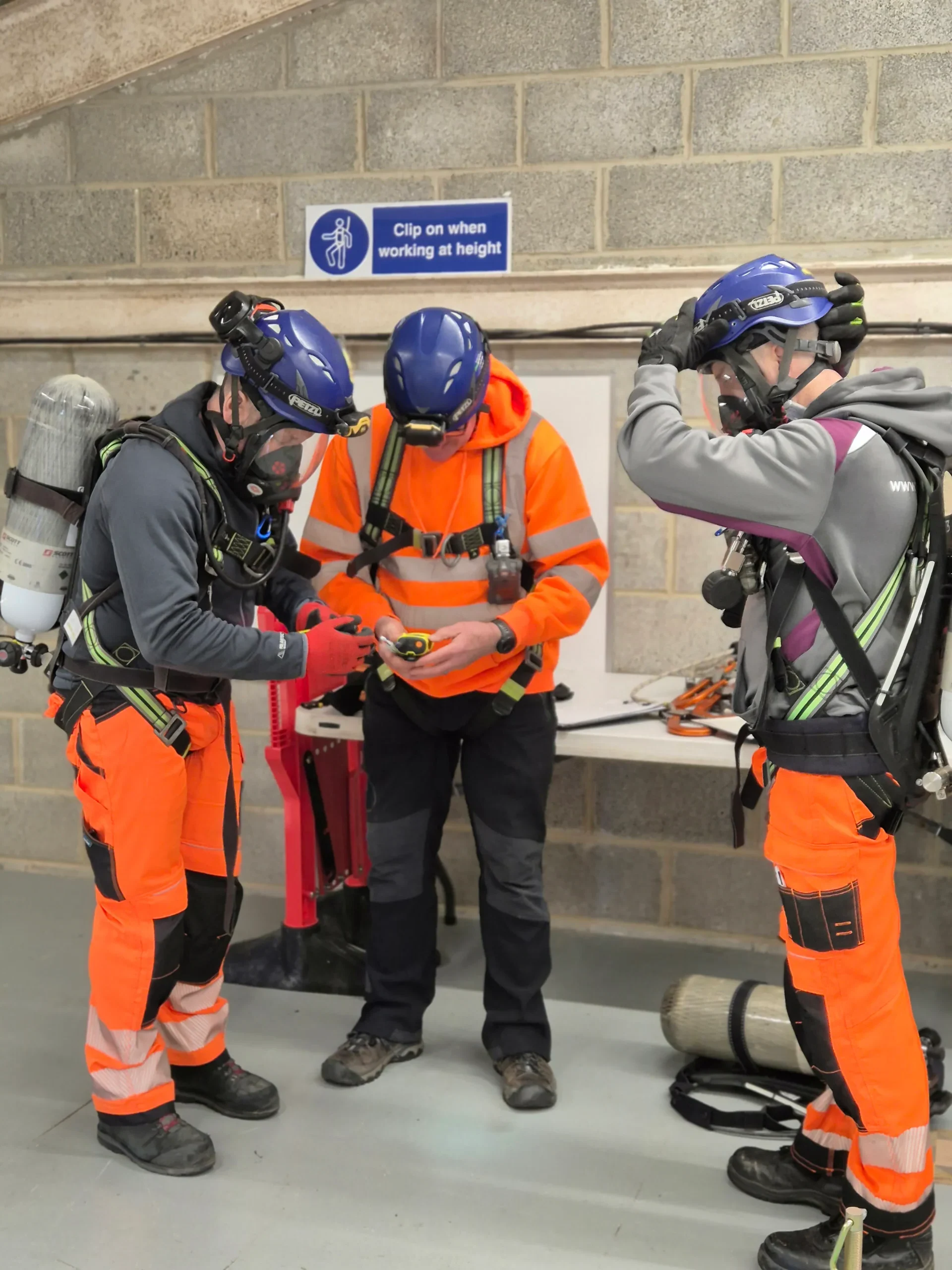
An unprepared rescuer entering a confined space is typically missing the critical safeguards of the trained rescue team, which will always implement:
- hazard identification and a risk assessment
- appropriate PPE and respiratory protection
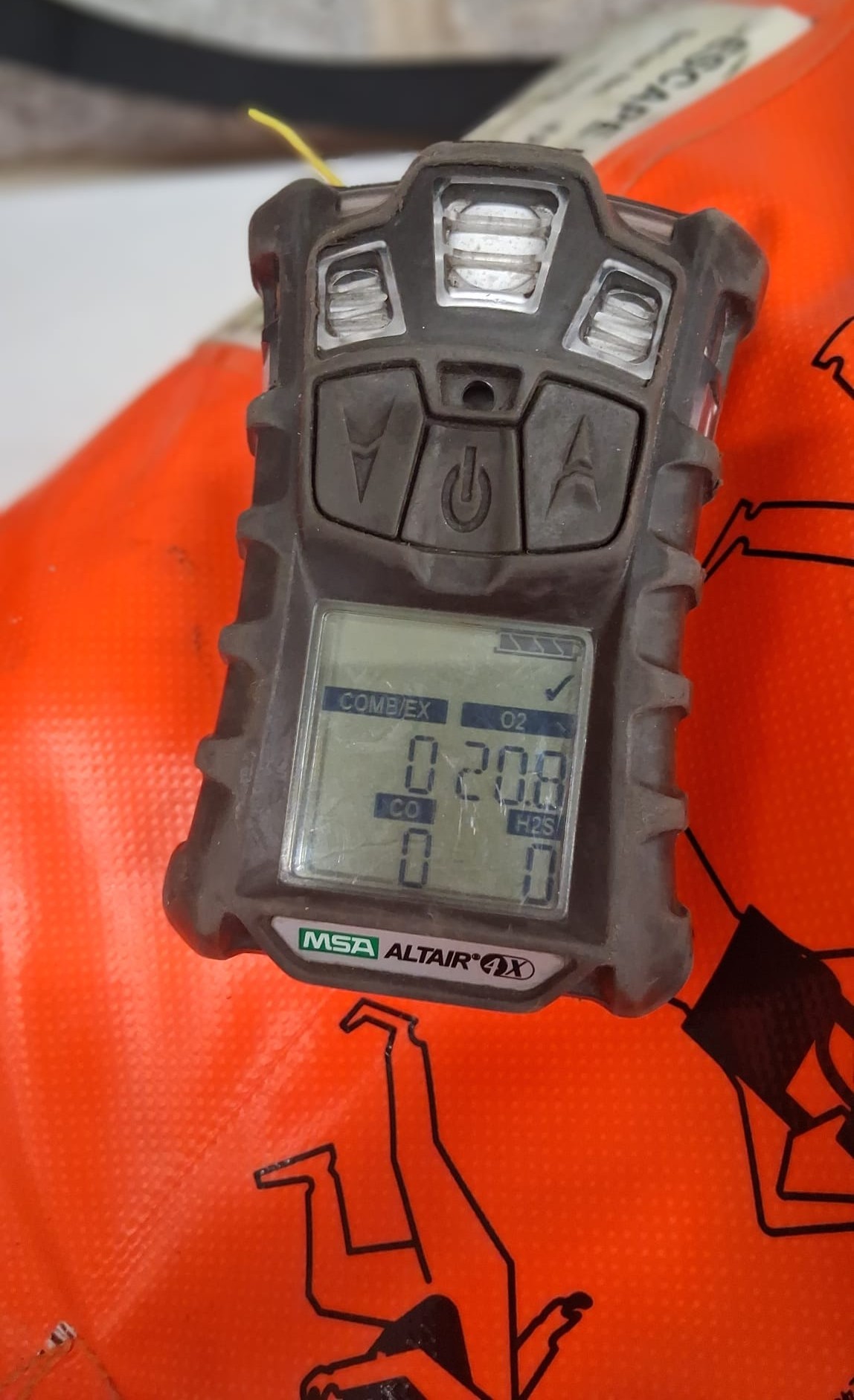
- gas monitoring equipment and protocols
- a defined and rehearsed rescue plan
- effective communication with the entry team
- controlled, practised evacuation procedures
The presence of a dedicated confined space rescue team during planned or emergency works is not a ‘nice to have’. It is an essential control measure that supports a safe system of work.
Why Confined Space Rescue Training Is Critical
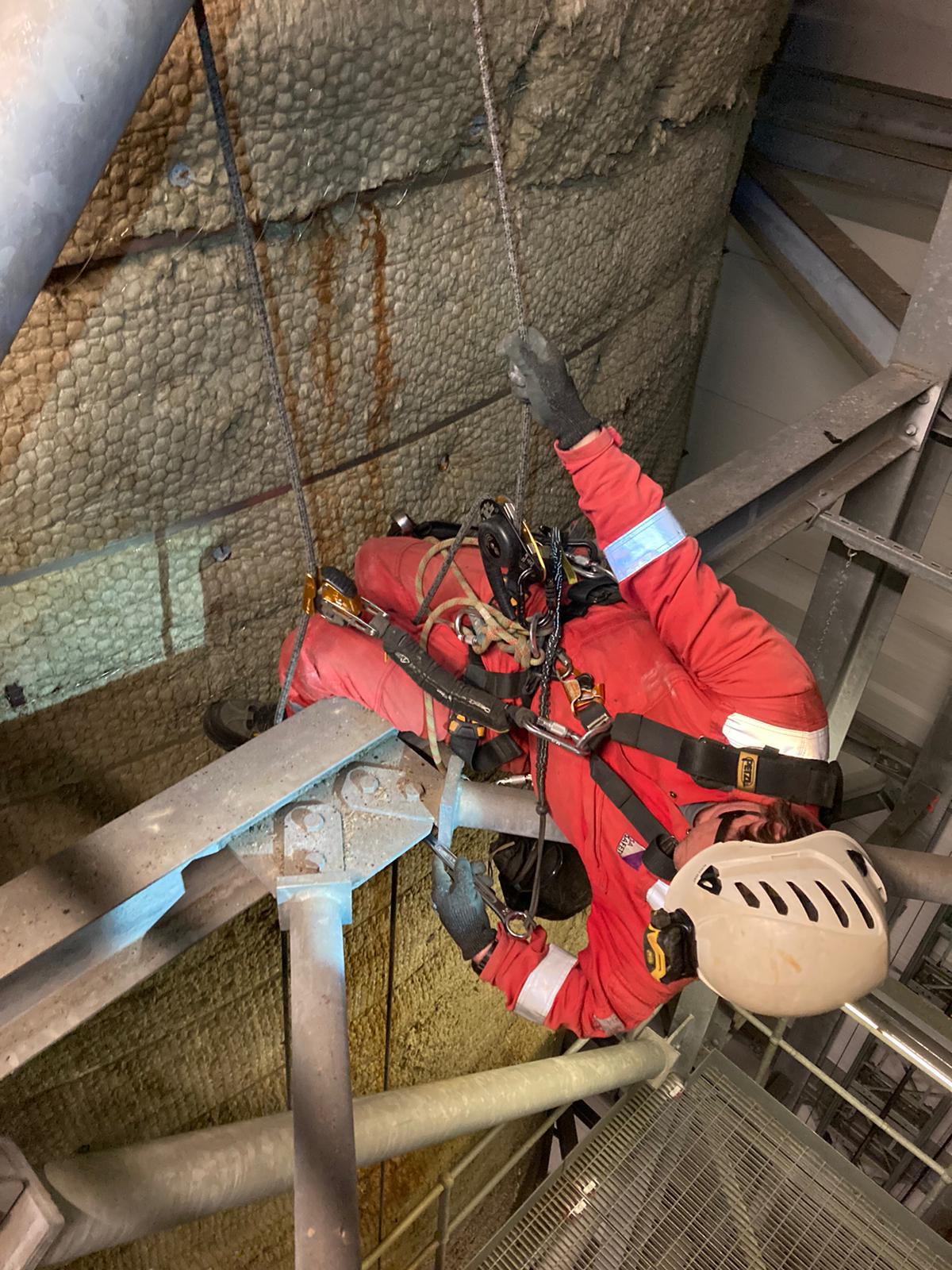
Confined space rescue work often requires teams to work in environments with limited visibility and restricted access. A confined space rescue may involve coordinating complex casualty extraction techniques in this challenging environment.
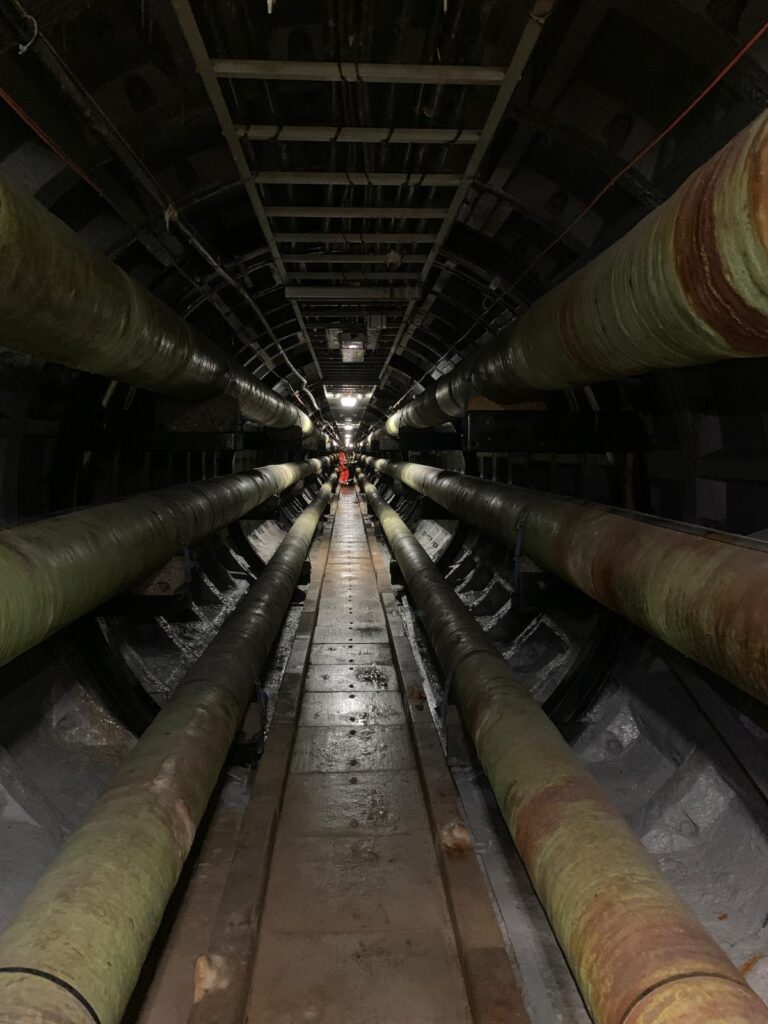
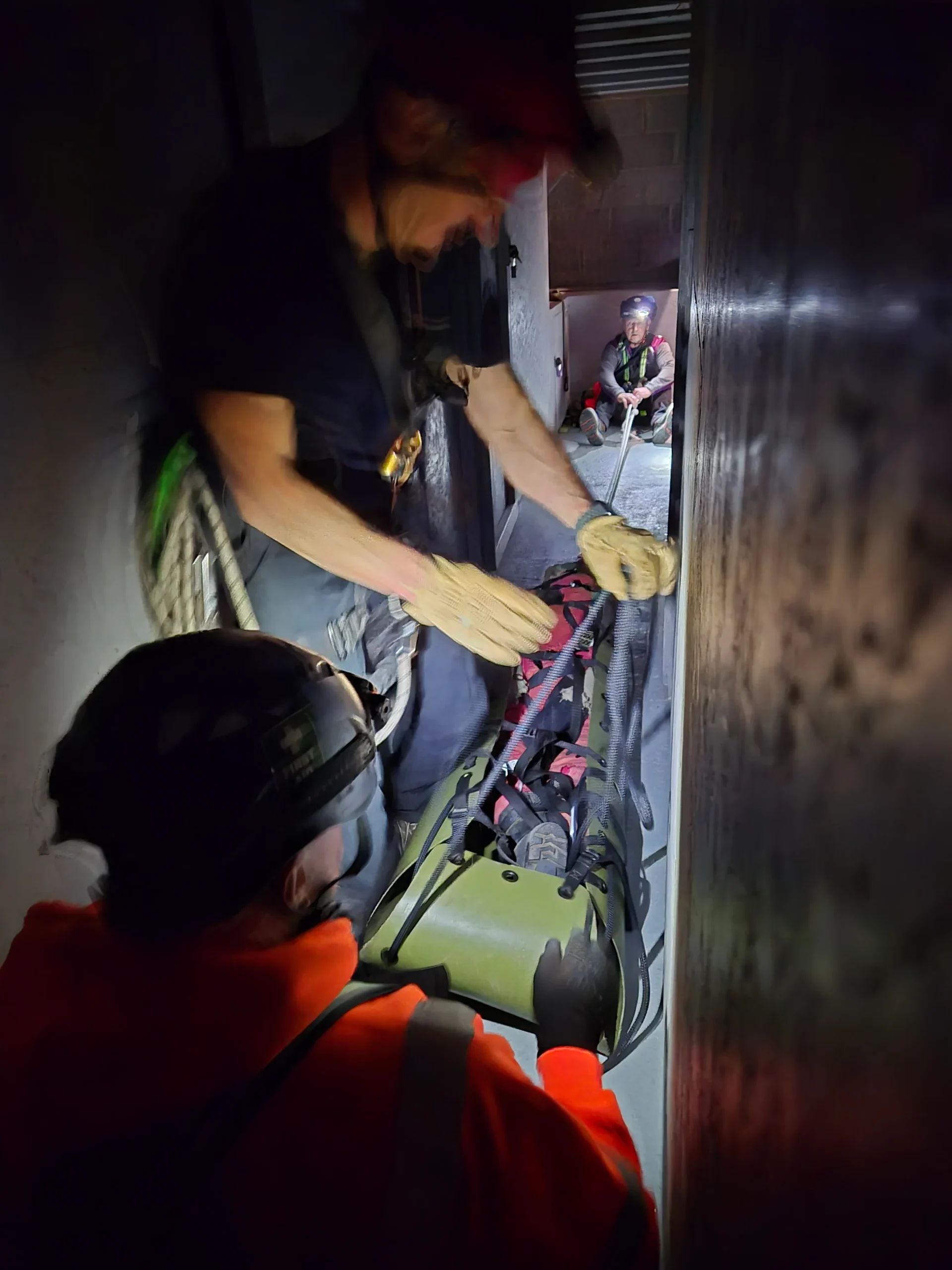
Dedicated standby rescue teams like ours carry out regular CPD in the training tunnels, using realistic settings to rehearse and embed essential procedures.
This ensures that, in an emergency, they can move safely and confidently through the process of casualty recovery, including:
- casualty assessment and stabilisation
- casualty extraction from restricted spaces
- working in a confined space using breathing apparatus
- communication and coordination between rescue team members
Regular training builds the competence, confidence and discipline that allows team members to react swiftly, while keeping themselves and their teammates safe.
Preventing Rescuer Deaths in Confined Spaces
In confined space emergencies, the response must be planned, controlled, and executed by trained personnel.
Untrained rescue attempts multiply the risk. Properly planned and executed confined space rescue saves lives – without putting more at risk.
For high-risk environments, including utilities, industrial and manufacturing settings, and COMAH sites, a competent standby rescue team is not an added extra; it’s a critical control measure and a legal requirement.
Source: Safe Work in Confined Spaces: Confined Spaces Regulations 1997 https://www.hse.gov.uk/pubns/books/l101.htm